Introduction
Copper is beautiful. It conducts heat and electricity brilliantly. It's used in busbars, terminals, electrodes, decorative pieces, and countless industrial components.
But polishing copper? That's not as easy as it looks.
Copper is soft. Too soft.
-
It scratches if you look at it wrong
-
It smears and loads up grinding wheels
-
It discolors when it gets hot
-
It requires a gentle touch that most conventional wheels don't have
For years, copper polishing was done by hand – slow, inconsistent, labor-intensive.
Then came PVA wheels.
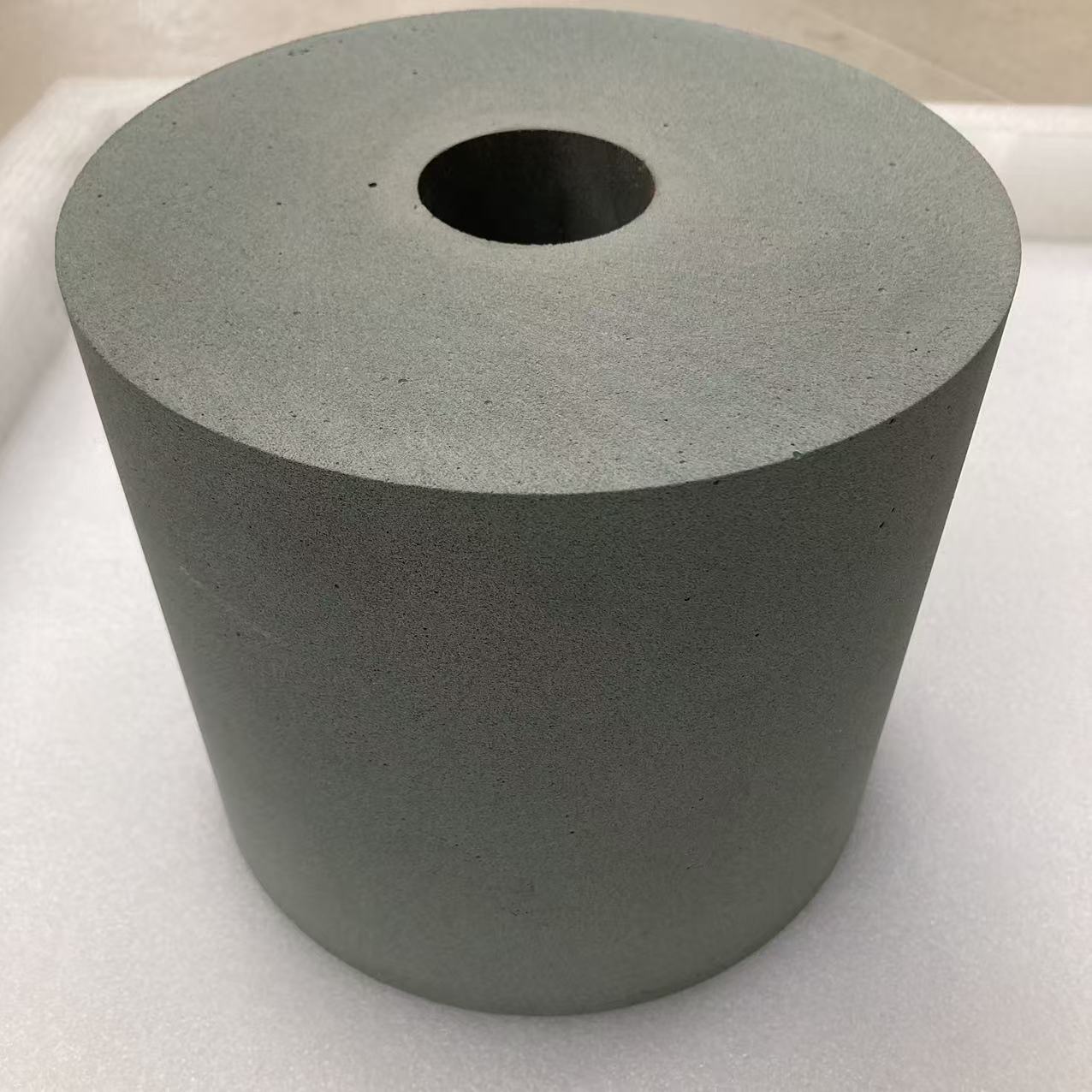
In this article, we'll explain what PVA wheels are, why they're perfect for copper, and how a custom 200 x 180 x 50mm PVA polishing wheel can transform your copper finishing operation.
Part 1: The Challenge of Polishing Copper
Let's first understand why copper is so difficult to polish with conventional abrasives.
Copper Properties That Cause Problems:
| Property | Polishing Challenge |
|---|---|
| Soft | Scratches easily – conventional wheels dig in |
| Ductile | Smears instead of cutting cleanly |
| Heat-sensitive | Discolors (burns) at relatively low temperatures |
| Gummy | Loads up wheels – copper sticks to abrasive |
| High friction | Generates heat quickly |
What Happens with Conventional Wheels:
| Wheel Type | Problem |
|---|---|
| Hard resin bond wheel | Scratches deeply, generates heat, burns copper |
| Metal bond wheel | Too aggressive, leaves deep scratches |
| Felt wheel | Short life, inconsistent finish |
| Cloth / flap wheel | Loads quickly, needs frequent replacement |
The result: Poor finish, wasted time, damaged parts, and frustrated operators.
Part 2: What Is a PVA Polishing Wheel?
PVA stands for Polyvinyl Alcohol – a synthetic polymer used as a bonding agent for abrasive grains.
How It's Made:
Abrasive grains (alumina, silicon carbide, or diamond) are mixed with PVA resin and other ingredients. The mixture is poured into molds and cured. The result is a soft, elastic, porous grinding wheel.
PVA Wheel Characteristics:
| Property | PVA Wheel | Conventional Wheel |
|---|---|---|
| Bond hardness | Soft, elastic | Hard, rigid |
| Porosity | High (open structure) | Low (dense) |
| Cutting action | Gentle, polishing | Aggressive, stock removal |
| Heat generation | Very low | Moderate to high |
| Loading resistance | Excellent | Poor (on soft metals) |
Part 3: Why PVA Wheels Are Perfect for Copper
Let's match PVA wheel properties to copper polishing challenges.
| Copper Challenge | How PVA Solves It |
|---|---|
| Scratches easily | Soft, elastic bond cushions the abrasive – prevents deep scratches |
| Smears | Porous structure allows chips to escape – no smearing |
| Heat discoloration | Open porosity dissipates heat – runs cool |
| Loading | Pores prevent copper from sticking to the wheel |
| Needs smooth finish | Fine grits in soft bond produce uniform satin or mirror finish |
The result: Clean, consistent, scratch-free finishes on copper – every time.
Part 4: The Custom Advantage – 200 x 180 x 50mm
Not all PVA wheels are the same. For production copper polishing, custom dimensions matter.
Why These Dimensions:
| Dimension | Why It Matters |
|---|---|
| 200mm OD | Standard size for many polishing machines – easy to mount |
| 180mm height (width) | Wide wheel – covers large copper surfaces efficiently |
| 50mm bore | Common spindle size – fits standard arbors |
Benefits of Custom Sizing:
| Benefit | Explanation |
|---|---|
| Optimized for your machine | No adapters – direct fit |
| Optimized for your part | Wide wheel covers more surface per pass |
| Reduces setup time | Mount and go – no modifications |
| Consistent results | Wheel designed specifically for your application |