
Introduction
Alumina and zirconia ceramics are everywhere in modern industry.
-
Medical implants and dental restorations
-
Ceramic bearings and seals
-
Electronic substrates and insulators
-
Wear-resistant components in pumps and valves
-
Aerospace and automotive parts
These advanced ceramics are incredibly hard, wear-resistant, and biocompatible – which makes them ideal for demanding applications.
But that same hardness makes them extremely difficult to grind.
And when your ceramic parts have curved, contoured, or hard-to-reach surfaces? The challenge multiplies.
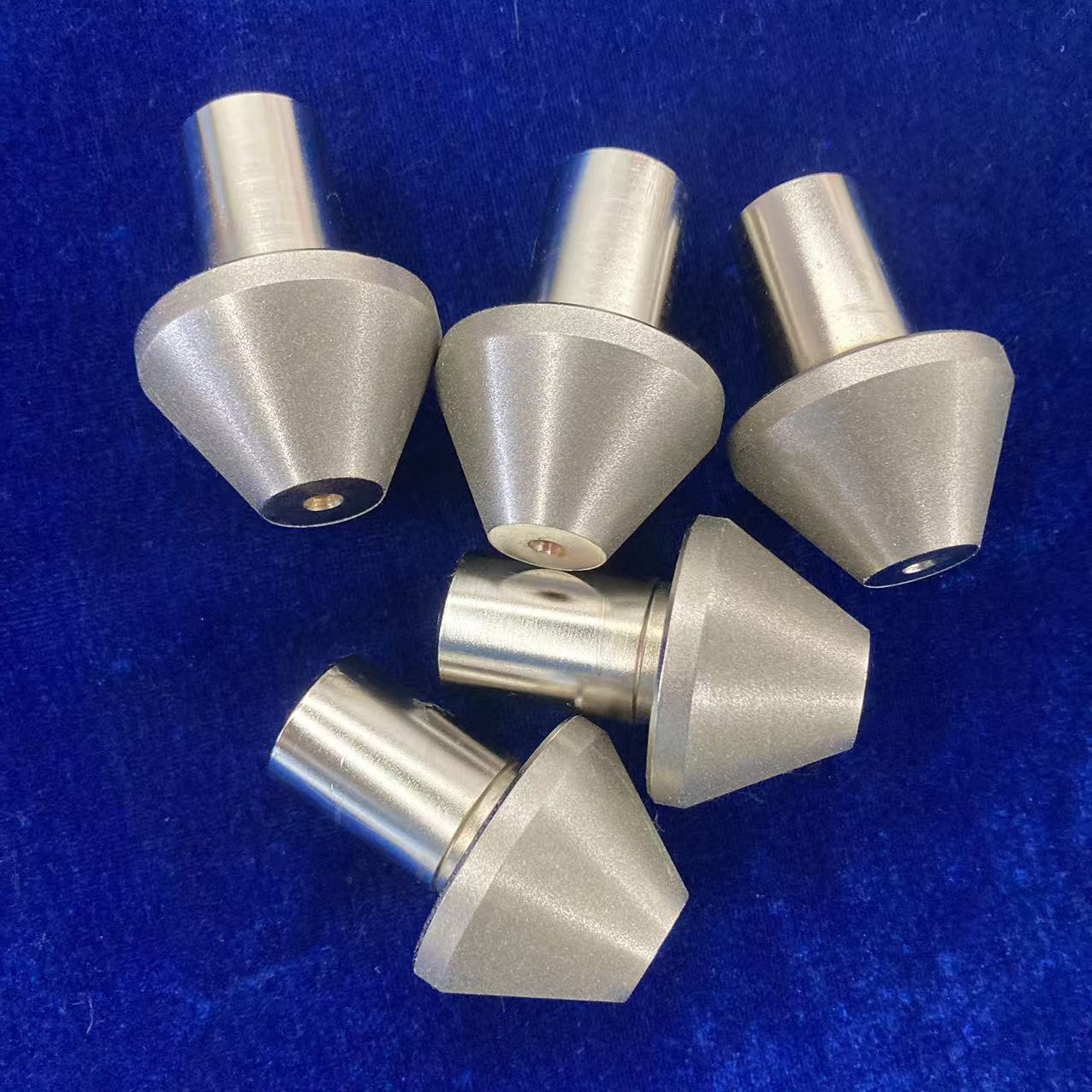
That's where a custom tapered shank umbrella-shaped diamond grinding head comes in – a tool specifically designed for efficient grinding on advanced ceramic surfaces.
In this article, we'll explore why this unique shape is the solution for many ceramic grinding challenges – and why custom tooling is often the smartest choice.
Part 1: The Challenge of Grinding Alumina & Zirconia
Let's understand why these materials are so difficult to grind.
Material Properties:
| Material | Hardness (HV) | Key Properties | Grinding Challenge |
|---|---|---|---|
| Alumina (Al₂O₃) | 1,500 – 2,000 | Very hard, wear-resistant | Extremely abrasive – wears tools quickly |
| Zirconia (ZrO₂) | 1,200 – 1,400 | Hard, tough, brittle | Heat-sensitive – prone to micro-cracking |
What Happens with the Wrong Tool:
| Problem | Cause | Result |
|---|---|---|
| Chipping | Blunt abrasive or too much pressure | Scrapped parts |
| Micro-cracking | Heat buildup | Reduced part strength |
| Slow cutting | Wrong abrasive or tool geometry | Low productivity |
| Poor surface finish | Inadequate tool design | More finishing required |
Why Diamond Is Required:
| Abrasive | Alumina | Zirconia | Reason |
|---|---|---|---|
| Diamond | ⭐⭐⭐⭐⭐ | ⭐⭐⭐⭐⭐ | Hardest – cuts efficiently |
| CBN | ⭐⭐⭐ | ⭐⭐⭐ | Not as effective on ceramics |
| Silicon Carbide | ⭐⭐ | ⭐⭐ | Wears quickly |
| Alumina | ⭐ | ⭐ | Not suitable – wears instantly |
Part 2: Why Custom Tooling for Ceramics?
Standard off-the-shelf grinding tools often don't work well for advanced ceramic parts.
Limitations of Standard Tools:
| Limitation | Why It's a Problem |
|---|---|
| Wrong shape | Can't reach curved or contoured surfaces |
| Wrong geometry | Inefficient grinding on ceramic materials |
| Limited clearance | Can't access recessed areas |
| Standard shank | Doesn't fit specific machine requirements |
Benefits of Custom Tooling:
| Benefit | How It Helps |
|---|---|
| Optimized geometry | Matches your part's shape perfectly |
| Better access | Reaches into tight areas |
| Improved efficiency | Grinds faster – less time per part |
| Better surface finish | Less chipping – less finishing |
| Longer tool life | Diamond matched to your specific material |
Part 3: The Umbrella Shape – Why This Geometry?
The umbrella (conical flared) shape is specifically designed for certain ceramic grinding applications.
What Is an Umbrella-Shaped Grinding Head?
It's a grinding head with a flared, conical profile – wider at the working end and narrower toward the shank – resembling an open umbrella.
Why This Shape Works for Ceramics:
| Feature | Benefit |
|---|---|
| Large working surface | Efficient material removal over curved areas |
| Conical profile | Suitable for grinding internal and external contours |
| Flared design |