
Introduction
Cement board is tough.
It's made of cement, sand, and fiberglass mesh – designed to withstand moisture, impact, and years of wear. That's why it's the go-to material for bathroom walls, kitchen backsplashes, tile underlayment, and exterior siding.
But that same toughness makes cement board a nightmare to drill through.
-
Standard HSS bits? They dull after one hole.
-
Carbide-tipped bits? Maybe a few holes, then they're done.
-
Masonry bits? They chip and crack the board.
If you install cement board regularly – or even just occasionally – you need a drill bit that can handle the job without breaking the bank.
Enter the sintered diamond drill bit with chip removal grooves.
In this article, we'll explain why this little bit is the best tool for drilling cement board – and why it's so much better than the alternatives.
Part 1: What Makes Cement Board So Hard to Drill?
Let's understand the problem first.
Cement Board Composition:
| Component | Property | Drilling Challenge |
|---|---|---|
| Cement | Hard, brittle | Wears down cutting edges |
| Sand | Abrasive (like sandpaper) | Grinds away traditional bits |
| Fiberglass mesh | Tough, fibrous | Catches and snags drill bits |
| Density | High | Requires significant cutting force |
Why Standard Bits Fail:
| Bit Type | Failure Mode | Holes Before Failure |
|---|---|---|
| HSS (high-speed steel) | Edges wear smooth | 1-3 holes |
| Carbide-tipped | Carbide tips crack or wear off | 5-20 holes |
| Masonry (hammer) | Chips and cracks the board | Works but damages material |
| Electroplated diamond | Diamond layer wears off | 20-50 holes |
The problem: Most bits are designed for metal, wood, or masonry – not the unique combination of hardness, abrasiveness, and fiber reinforcement found in cement board.
Part 2: The Solution – Sintered Diamond Drill Bit
A sintered diamond drill bit is fundamentally different from other bits.
How It's Made:
Diamond grit is mixed with metal powder (bronze, cobalt, or iron-based) and then sintered – heated and compressed until the metal fuses around the diamond grains. The diamond is distributed throughout the entire tip, not just on the surface.
Why Sintered Diamond Works on Cement Board:
| Feature | Benefit for Cement Board |
|---|---|
| Diamond throughout the tip | As the tip wears, fresh diamond is exposed – self-sharpening |
| Metal bond | Holds diamond grains firmly – no premature loss |
| Hardness | Diamond is hardest material known – cuts through cement and sand |
| Long life | One sintered bit can drill hundreds of holes |
Sintered vs. Other Diamond Technologies:
| Bond Type | Diamond Distribution | Life on Cement Board | Can Be Dressed? |
|---|---|---|---|
| Sintered | Throughout tip | Longest | Yes |
| Electroplated | Single surface layer | Medium | No |
| Brazed | Single layer, chemically bonded | Long | No |
For production or frequent use, sintered diamond is the clear winner.
Part 3: The M6 Shank – What It Is and Why It Matters
This bit features an M6 threaded shank.
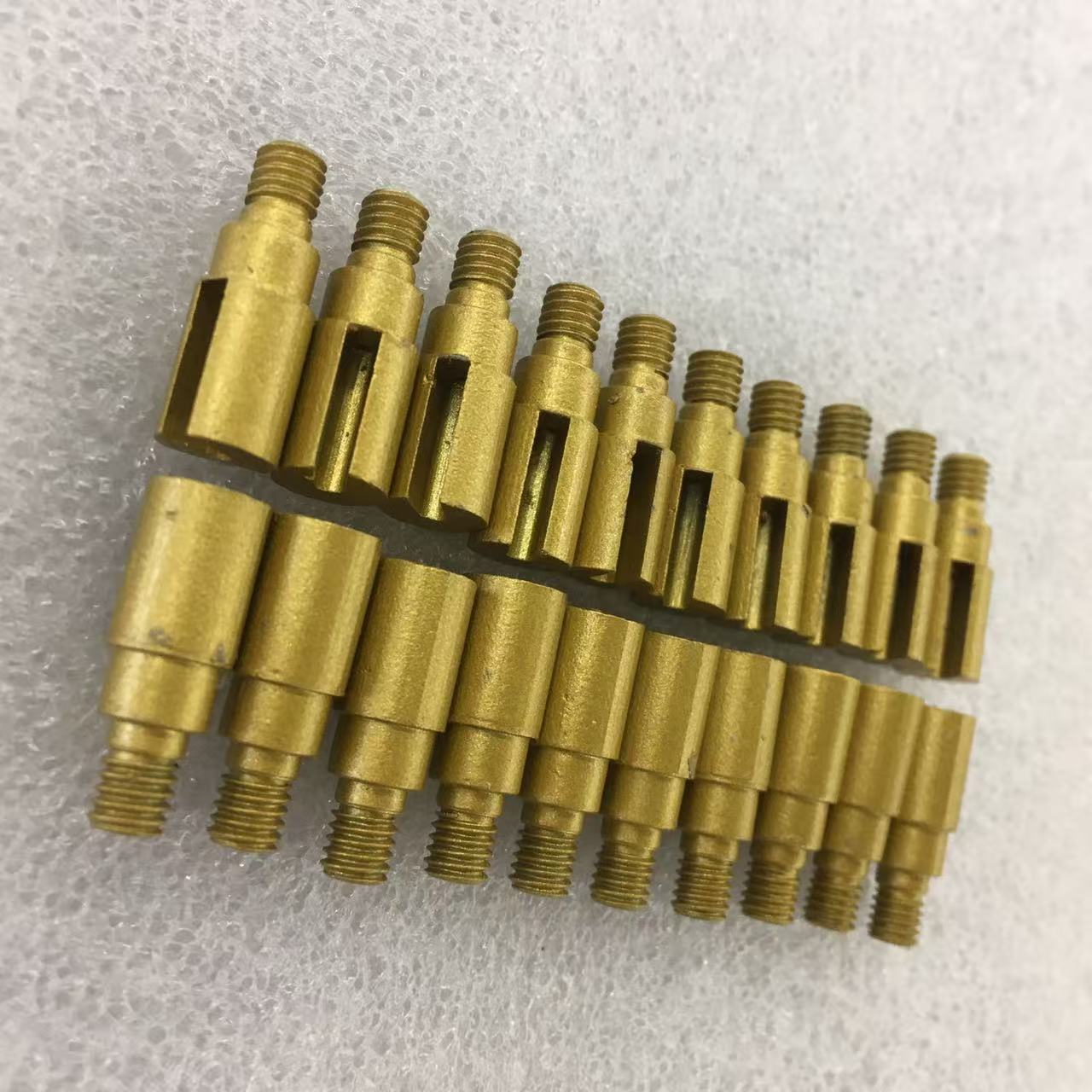
What Is M6?
| Term | Meaning |
|---|---|
| M | Metric thread standard |
| 6 | 6mm nominal diameter |
Why M6 for Cement Board Drilling?
| Feature | Benefit |
|---|---|
| Standard thread size | Widely available adapters and collets |
| Secure fit | Threaded connection prevents slipping |
| Manual drill compatible | Works with hand braces and portable drills |
| Easy to change | Quick to swap bits |