

Introduction
Floor grinding looks simple – attach some plates to a grinder, turn it on, and go.
But anyone who has actually ground a concrete floor knows the truth.
The wrong plates can ruin your day.
-
Too aggressive? You'll leave deep scratches that take hours to remove.
-
Too fine? You'll be grinding all week and still not achieve the desired finish.
-
Wrong shape? You'll chase uneven wear and struggle with corners.
-
Wrong bond? The plates will wear out in hours instead of days.
Choosing the right floor grinding plates isn't just about picking something off the shelf. It's about matching the shape, size, grit, and bond to your specific floor type and application.
In this article, we'll break down everything you need to know about sintered diamond floor grinding plates – the most common and versatile type for concrete, terrazzo, and stone floors.
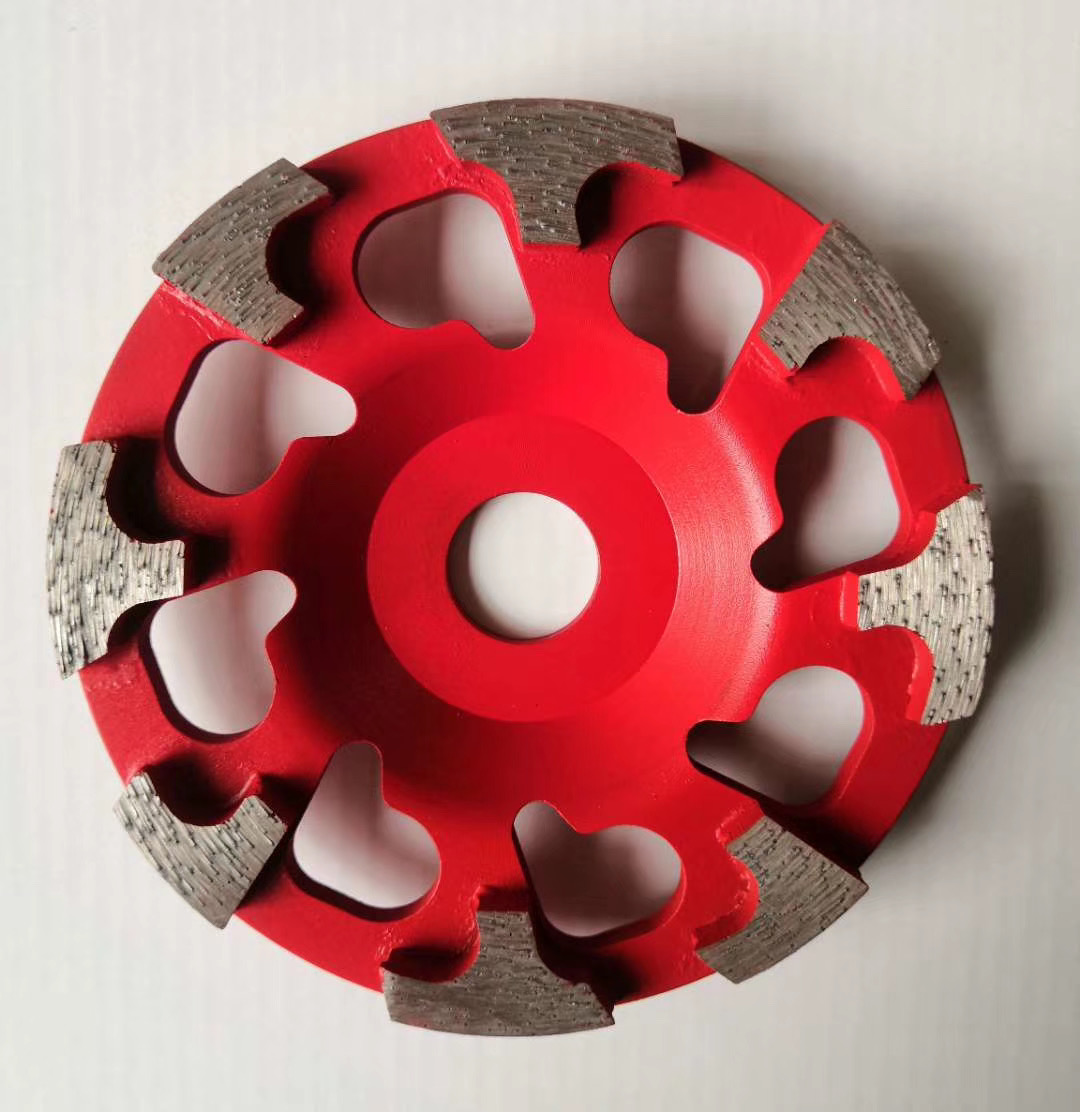
Part 1: What Are Sintered Diamond Floor Grinding Plates?
A floor grinding plate (also called a grinding segment or grinding shoe) is the removable abrasive component that attaches to a floor grinder. It does the actual cutting, grinding, or polishing of the floor surface.
Sintered diamond plates are made by mixing diamond grit with metal powder (typically bronze, cobalt, or iron-based) and then compressing and heating the mixture in a furnace. The metal melts slightly, fusing around each diamond grain.
Key Characteristics of Sintered Diamond Plates:
| Characteristic | What It Means |
|---|---|
| Diamond throughout | Fresh diamonds are exposed as the plate wears (self-sharpening) |
| Metal bond | Very strong grain retention – long life |
| Can be dressed | When glazed, can be refreshed with a dressing stone |
| Wet or dry | Versatile for any job site condition |
| Durable | Withstands heavy grinding pressure |
Part 2: Why Sintered Diamond Plates Are the Industry Standard
There are several types of floor grinding plates. Here's how sintered compares:
| Bond Type | Life | Cut Speed | Cost | Best For |
|---|---|---|---|---|
| Sintered (metal) | ⭐⭐⭐⭐⭐ Long | ⭐⭐⭐⭐ Fast | $$ | Most concrete, terrazzo, stone |
| Brazed | ⭐⭐⭐⭐ Long | ⭐⭐⭐⭐⭐ Fastest | $$$ | Aggressive removal, hard concrete |
| Electroplated | ⭐⭐ Short | ⭐⭐⭐⭐ Fast | $ | Occasional use, light duty |
| Resin bond | ⭐⭐⭐ Moderate | ⭐⭐⭐ Moderate | $$ | Polishing, fine finishing |
Conclusion: For production floor grinding – where you need good speed, long life, and reasonable cost – sintered diamond is the best all-around choice.
Part 3: Shapes – Why They Matter
This is the most overlooked factor in floor grinding. Different shapes = different grinding characteristics.
Standard Shapes Available:
| Shape | Best For | Cutting Action | Wear Pattern |
|---|---|---|---|
| Round | General purpose, polishing | Smooth, even | Even wear |
| Square | Aggressive grinding | Sharp corners cut faster | Corner wear first |
| Rectangular | Wide coverage | Even cut | Even wear |
| Trapezoidal | Edge work, corners | Variable (sharp side cuts faster) | Uneven (monitor) |
| Arrow | Maximum removal | Very aggressive | Point wears first |
| Double Arrow | High-efficiency grinding | Extremely aggressive | Points wear first |
| Horseshoe (U-shape) | Coating removal | Aggressive with relief | Even wear |
Shape Selection Guide:
| Floor Condition | Recommended Shape |
|---|---|
| Smooth, flat floor – need polish | Round or square |
| Rough, uneven floor – need leveling | Arrow or double arrow |
| Thick epoxy/paint removal | Horseshoe or trapezoidal |
| Edge grinding / corners | Trapezoidal or small square |
| Terrazzo restoration | Round or rectangular |
| General concrete grinding | Square or rectangular |
Why Shape Matters:
-
Contact area: Shapes with smaller contact area (arrow) cut faster but wea